
In the race against climate change, renewable energy isn’t just an alternative—it’s becoming our primary path forward. As fossil fuel reserves dwindle and environmental concerns mount, the transition to sustainable energy sources has evolved from a distant ambition to an urgent necessity.
The Current Landscape
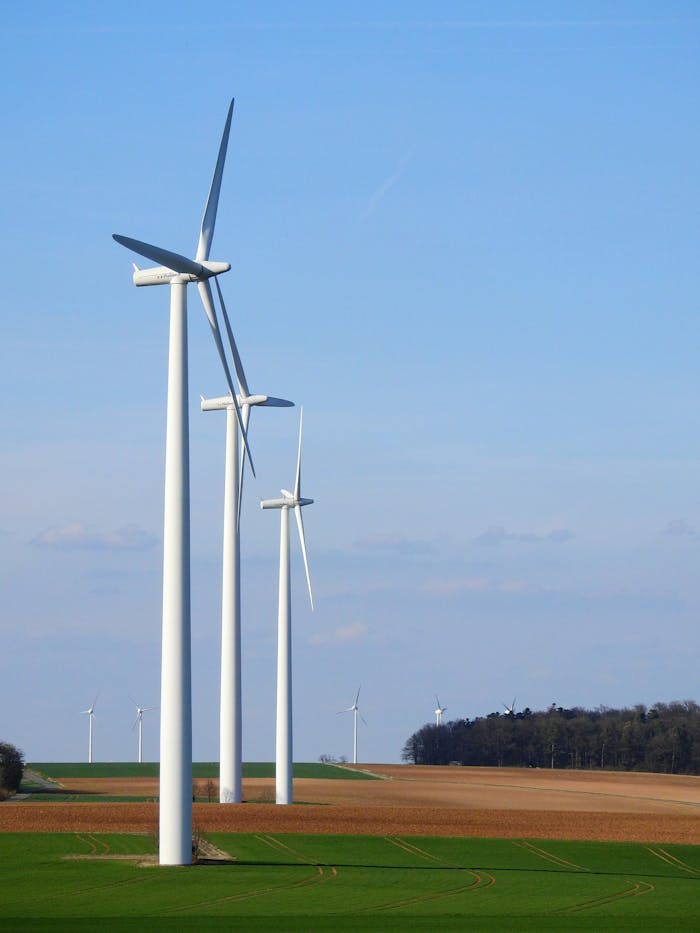
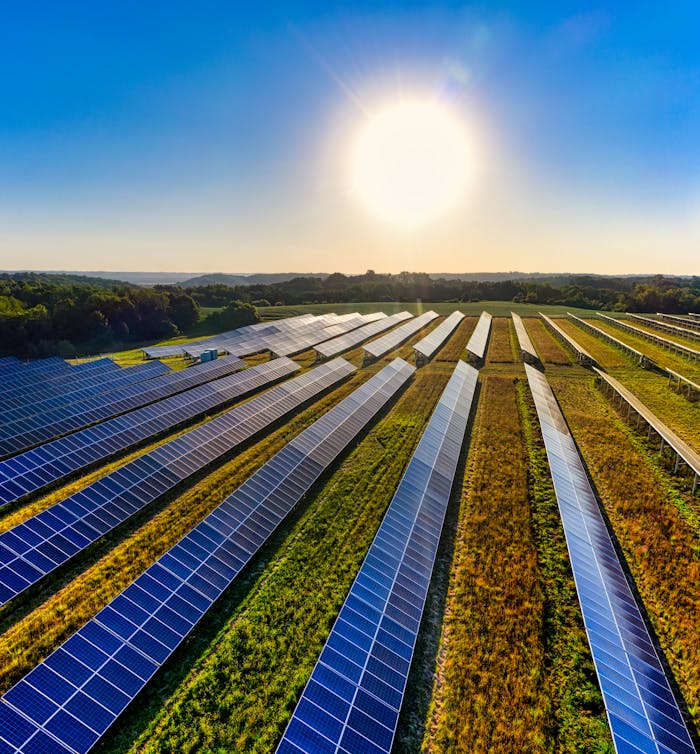
Today’s energy market is experiencing unprecedented disruption. Wind farms stretch across plains, solar panels adorn rooftops, and hydroelectric dams harness the power of flowing water. These technologies, once viewed as supplementary, are now challenging traditional energy sources on both efficiency and cost.
The numbers tell a compelling story: renewable energy prices have plummeted over the past decade. Solar photovoltaic costs have dropped by nearly 90% since 2010, while wind power costs have fallen by approximately 70%. This economic shift has transformed renewables from a premium choice to the most cost-effective option in many markets.
Beyond Environmental Benefits
While the environmental advantages of renewable energy are well-documented—reduced greenhouse gas emissions, decreased air pollution, and minimal resource depletion—the benefits extend far beyond ecological considerations.
Energy independence stands as a powerful incentive for nations worldwide. Countries that invest in domestic renewable infrastructure reduce their reliance on imported fuels, enhancing national security and economic stability. This self-sufficiency protects economies from the price volatility that has historically plagued fossil fuel markets.
Moreover, the renewable sector has become a robust job creator. The International Renewable Energy Agency reports that the industry employs over 11 million people globally, with that number projected to grow substantially as the transition accelerates.
The Road Ahead
The future of renewable energy looks remarkably promising. Technological innovations continue to enhance efficiency and storage capabilities, addressing the intermittency challenges that once limited widespread adoption. Battery technologies are advancing rapidly, making it increasingly feasible to store solar energy captured during daylight hours for use throughout the night.
Smart grids are revolutionizing distribution systems, creating more resilient and adaptive energy networks. These intelligent systems can respond to demand fluctuations in real-time, optimizing energy use and reducing waste.
What’s It All Mean
As we look toward the horizon, it’s clear that renewable energy will play a central role in shaping our collective future. The transition won’t be instantaneous or without challenges, but the direction is unmistakable. The combination of economic incentives, technological advancements, and environmental imperatives makes renewable energy not just a possibility but an inevitability.
The question is no longer whether renewables will transform our energy landscape, but how quickly and completely the transformation will occur. For businesses, governments, and individuals alike, embracing this green horizon isn’t just environmentally responsible—it’s economically essential.